|
Preparing Great Tea -
Ryokucha or green tea is the predominant tea beverage consumed throughout Japan today.
There are many kinds available and in this section we have selected the eleven most popular kinds of green tea still
|
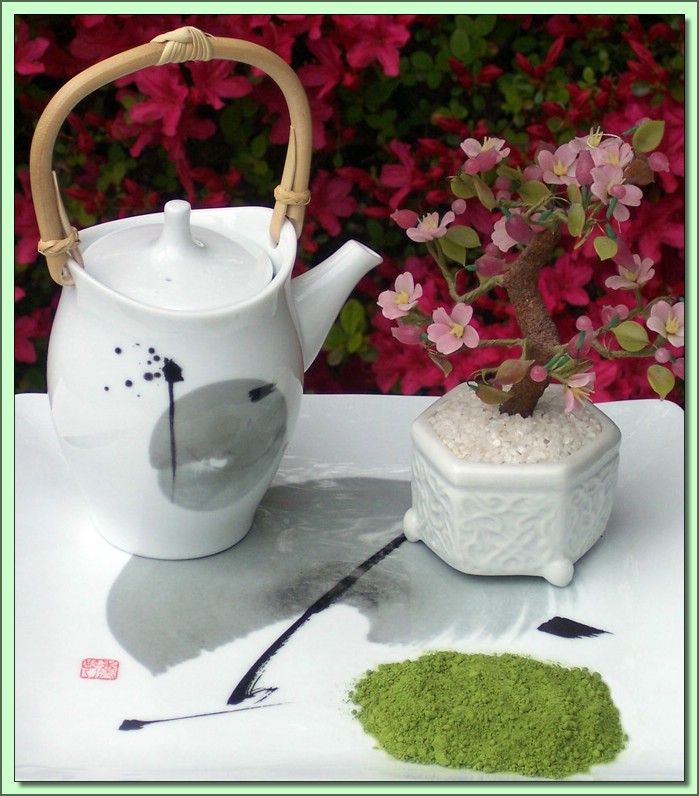
Japanese green tea is classified by cultivation and production method, and is historically named according to the main processes undertaken. Tea origin is important. Regional names often appear in some form within the tea's name. Japanese production techniques focus exclusively on perfecting and diversifying forms of green tea. They do not concentrate on the ‘fermented’ black teas more common in the west which often leech out the more healthy nutrients during processing.
A remarkable selection of teas are produced in Japan and much is made of regional and seasonal variations among the many kinds of green tea available, particularly the higher grades of tea. Early season sencha, the new season tea or shin cha, are generally regarded as the best of each year’s crop, and different regions compete on quality and seasonal availability. There are also those special occasion teas such as gyokuro, (a rarity and extravagantly priced); houjicha - a roasted tea and very much an evening drink; and the powdered tea called matcha, a famous ceremony beverage.
The general rules for brewing great Japanese green tea are: Check the type of tea and water, density, temperature, cooling, astringency, teaware, and tea jumping. Boil water and wait for it to cool slightly by pouring it into a tea pot and then into cups to warm them and to re-measure the water. Place tea leaves and hot water in pot. Brew tea and water in teapot for a few minutes. Pour equal measures of brewed tea into cups until last drop is poured (It is said that the last drop of tea decides its taste on the whole).
Unlike serving coffee, tea needs to be served from a pot by pouring a little into each cup once. Pour some from the last cup to the first to make the amount and density the same. Do not leave water in the pot after pouring the first brew. You can enjoy the second brew by adding some more fresh hot water to the pot. When brewing tea the second time, 1/3 brewing time is adequate because water has already penetrated into the leaves.
|

Our Yawaruji Bancha (Spring & Autumn Bancha) with a lower caffeine profile and a rich, distinctive taste, it can be enjoyed both hot and cold. Or try our Organic Bancha. |
(3 oz) -$8.99- BUY NOW |
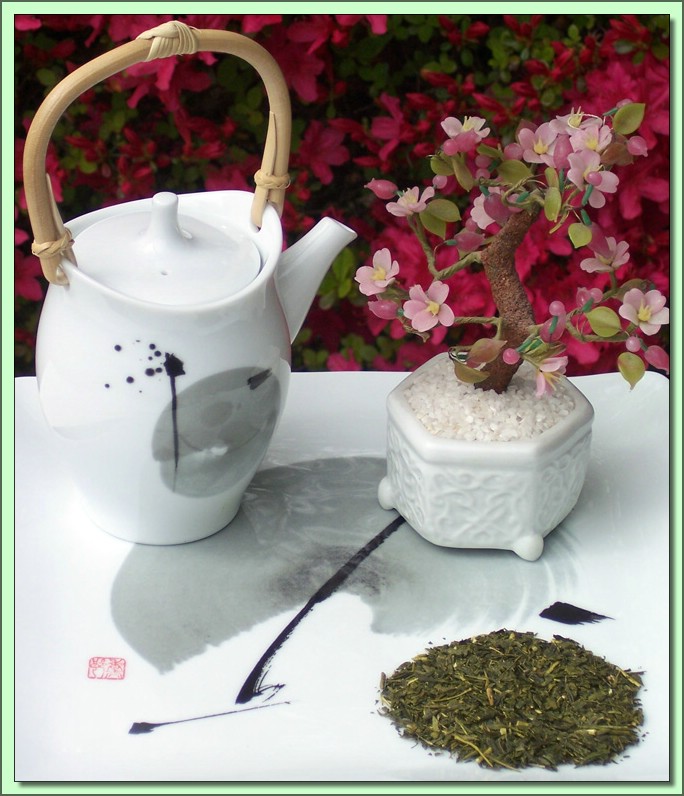
Processing: Bancha's meaning references the coarser grades and heavier, late season crop from which this full-flavored tea is made. Bancha is made from larger leaves than are usually available for sencha grades. Bancha are a class of sencha harvested as a second flush tea between summer and autumn.
Regions: Most regions make Bancha, as a part of their second flush harvest.
Popularity: The strength of flavor held by many Bancha means that they go well with food. It is more widely available in the West because of the lower price of these green teas.
Health Info (unit=mg/100g):
Tanin: 11.0 Amino Acid: 19.7 Fiber: 19.5 Minerals: 5.5 |
Vitamin A: 7800iu C: 150 E: N/A |
Vitamin B1: 0.25 B2: 1.40 B3: 5.4 |
Tea: Bancha For: 5 persons
Amount of Tea Leaf: 15g (0.5 oz, 5 tsp.)
Heat Water To: Boiling
Water Amount: 650ml (22 fl.oz)
Brewing Time: 30 sec.
Infuse Tea With Water At: 75°C (167°F)
Amt. of Brewed Tea/ Cup: 120ml (4 fl.oz)
Whole Amt. of Brewed Tea: 600ml (20 fl.oz)
Step by Step Brewing Instructions:
Place tea leaves in a pot. Pour boiling water into pot and allow tea to steep for about thirty seconds. (Note: For the second brew, pour into cups immediately after placing boiling water in pot.) Pour the same amount of tea in each cup. Because the density of substances in these types of tea is low it is all right to use boiling water.
|

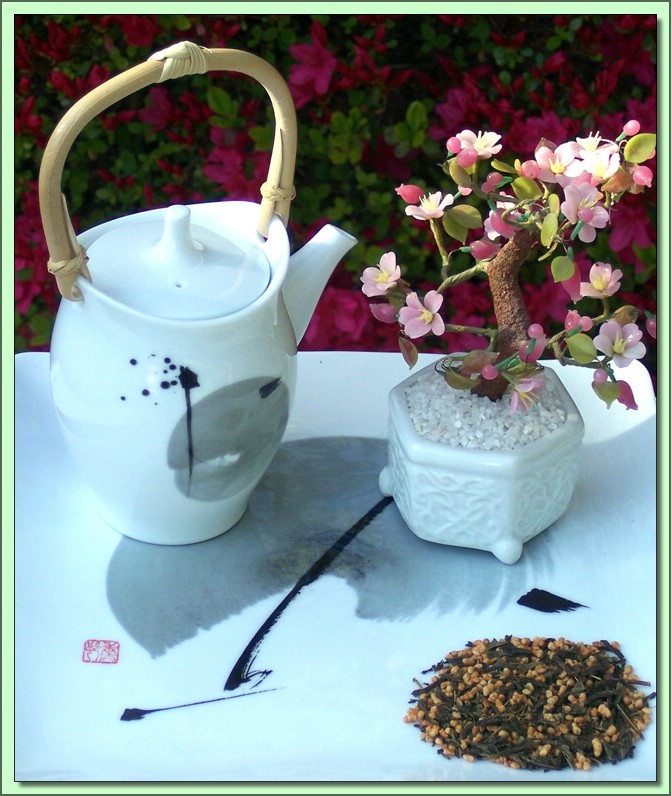
Our Genmaicha (Roasted Rice & Bancha) is a marriage of two classic Japanese flavors, roasted rice adds a velvety note of chestnuts to this vigorous whole leaf bancha green tea. A unique full bodied green tea experience low in caffeine. Or try our Organic Genmaicha or Genmaicha Teabags |
(4 oz) -$7.99- BUY NOW |
Processing: Genmaicha or is a blend of bancha green tea and Genmai (roasted rice grain). The proportioning of tea to rice is important, the more aromatic Genmaicha teas have a higher amount of rice. Other blends are known including Matcha and Genmaicha. The tea can be infused with high temperature water and for longer infusion periods than most Japanese teas. The Genmaicha teas are seen as a modest source of vitamin B1 and like bancha and houjicha contain less caffeine.
Popularity: A very common beverage in Japan, manufactured by most tea producing regions. Genmaicha can be drunk late into the evening without disturbing sleep.
Regions: Produced in almost every tea-producing region.
Tea: Genmaicha For: 5 persons
Amount of Tea Leaf: 15g (0.5 oz, 5 tsp.)
Heat Water To: Boiling
Water Amount: 650ml (22 fl.oz)
Brewing Time: 30 sec.
Infuse Tea With Water At: 75°C (167°F)
Amt. of Brewed Tea/ Cup: 120ml (4 fl.oz)
Whole Amt. of Brewed Tea: 600ml (20 fl.oz)
Step by Step Brewing Instructions:
Place tea leaves in a pot. Pour boiling water into pot and allow tea to steep for about thirty seconds. (Note: For the second brew, pour into cups immediately after placing boiling water in pot.) Pour the same amount of tea in each cup. Because the density of substances in these types of tea is low it is all right to use boiling water.
|

Our Gyokuro is made from single buds that are picked only in April/May. This is a full flavored green tea that has a satisfying light refreshing character tending towards the pleasantly vegetative with some briskness and a very bright infusion. Or try our 100% organically grown Gyokuro. |
(2 oz) -$19.99- BUY NOW |
Processing: Gyokuro teas are made only with the limited first flush leaf in order to achieve a rich and round flavor with a delicate, pale lemon-green color. Gyokuro's characteristics are produced from the special cultivation used. The tea plant is grown in the shade for approximately twenty days before harvesting. Removing direct sunlight reduces leaf photosynthesis, which alters the proportions of sugars, amino acids, flavanols and other substances responsible for tea aroma and taste.
Regions: The main Gyokuro producing regions of merit are Yame in Fukuoka, Uji in Kyoto and Okabe in Shizuoka Prefecture.
Popularity: Gyokuro makes an excellent light evening tea. It is rare outside of Japan and generally expensive.
Health Info (unit=mg/100g):
Tanin: 10.0 Amino Acid: 29.1 Fiber: 11.1 Minerals: 6.4 |
Vitamin A: 1200iu C: 110 E: N/A |
Vitamin B1: 0.30 B2: 1.16 B3: 6.0 |
Tea: Gyokuro (premium) For: 3 persons
Amount of Tea Leaf: 10g (0.35 oz, light 3 tsp.)
Heat Water To: 50°C (122°F)
Water Amount: 650ml (22 fl.oz)
Brewing Time: 150 sec
Infuse Tea With Water At: 35°C (95°F)
Amt. of Brewed Tea Cup: 120ml (4 fl.oz)
Whole Amt. of Brewed Tea: 360ml (12 fl.oz)
Tea: Gyokuro (standard) For: 3 persons
Amount of Tea Leaf: 10g (0.35 oz, light 3 tsp.)
Heat Water To: 60°C (140°F)
Water Amount: 650ml (22 fl.oz)
Brewing Time: 120 sec
Infuse Tea With Water At: 40 °C (104°F)
Amt. of Brewed Tea Cup: 140ml (4.4 fl.oz)
Whole Amt. of Brewed Tea: 390ml (13 fl.oz)
Step by Step Brewing Instructions:
Pour hot water into a pot to lower temperature. Pour hot water into small teacups (up to about 7/10 per cup) from the pot and allow the water to cool even more. Throw away leftover water. Put tea leaves into the pot. Pour hot water from the cups into the pot and let the tea brew. Pour the same amount of tea into each cup.
|

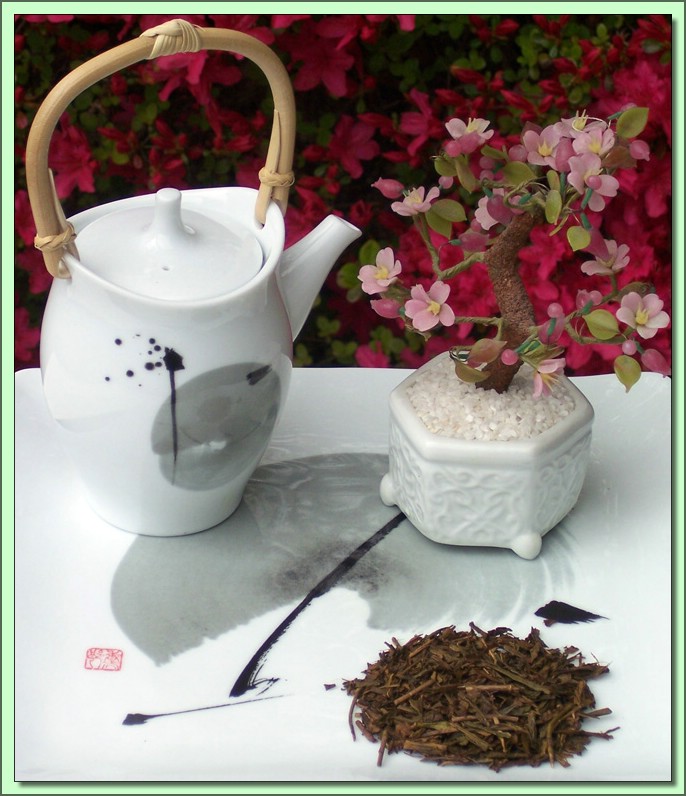
Our Chanoma Hoji Bancha Blend (Spring & Autumn Bancha) is mixed and post fired during final processing as hojicha. it produces a tea of well-defined character, vivid yellow colors and refreshing and deep flavors. Or try our Vanilla-Houjicha Blend or Houjicha Teabags. |
(4 oz) -$5.99- BUY NOW |
Processing: Both Bancha and Kukicha are used to make Houjicha grades. Houjicha pan-fried or oven roasted green tea is commonly encountered in teashops throughout Japan. The tea is fried at high temperature, altering the leaf colors tints from green to red. The roasted flavors are extracted and predominate this blend. The main types of Houjicha are light and deep-fried. The deeper fried leaf produce teas with a deeper roast aroma and taste.
Regions: Produced in almost every tea producing region.
Popularity: The clean, roasted flavors of houjicha go with any kind of food, particularly oily foods. It is often used as an after-dinner tea. Inexpensive, but rare in the West.
Health Info (unit=mg/100g):
Tanin: 9.5 Amino Acid: 18.2 Fiber: 18.7 Minerals: 5.5 |
Vitamin A: 6700iu C: 44 E: N/A |
Vitamin B1: 0.10 B2: 0.82 B3: 5.6 |
Tea: Houjicha For: 5 persons
Amount of Tea Leaf: 15g (0.5 oz, 5 tsp.)
Heat Water To: Boiling
Water Amount: 650ml (22 fl.oz)
Brewing Time: 30 sec.
Infuse Tea with Water at: 75°C (167°F)
Amt. of Brewed Tea/ Cup: 120ml (4 fl.oz)
Whole Amt. of Brewed Tea: 600ml (20 fl.oz)
Step by Step Brewing Instructions:
Place tea leaves in a pot. Pour boiling water into pot and allow tea to steep for about thirty seconds. (Note: For the second brew, pour into cups immediately after placing boiling water in pot). Pour the same amount of tea in each cup. Because the density of substances in these types of tea is low it is all right to use boiling water.
|
Hukamushi-cha Tea - is fragrant and heavily flavored Sencha. Hukamushi's prolonged steaming process has the effect of reducing bitterness and makes for a more mild tea, with less ‘green’ aroma.
|

Our Ichibantsumino Oishi Sencha (Sencha) Its a rare sencha picked in limited quantities from two type of Kanaya Midori bushes and is said to have superior flavor, taste, color and aroma. An early-April, first crop sencha harvested from leaves in the Kagoshima and Shizuoka regions. The growing climate produces a deep rich aroma and taste and a bright green tea color.
|
(3 oz) -$19.99- BUY NOW |
Processing: Hukamushi (also Fukamushi) means 'deep-steamed tea'. Sencha is Hukamushi-cha if the processing has involved a heavier steaming cycle. It is often given the name ‘misty green tea’ because of the slightly cloudy effect of the tea’s infusion. The steaming period for the Hukamushi teas is much longer than for any Sencha. Our producer in fact prefers the longer (120 second) steaming process typical of Hukamushi. The leaf of Hukamushi green tea is characteristically non-uniform, a broken grade, in factory terminology where the time needed for infusion and temperature of water are less critical than for other Japanese green teas.
Popularity: Hukamushi teas are not common outside Japan.
Tea: Hukamushi For: 5 persons
Amount of Tea Leaf: 15g (0.5 oz, 5 tsp.)
Heat Water To: Boiling
Water Amount: 650ml (22 fl.oz)
Brewing Time: 30 sec.
Infuse Tea With Water At: 75°C (167°F)
Amt. of Brewed Tea/ Cup: 120ml (4 fl.oz)
Whole Amt. of Brewed Tea: 600ml (20 fl.oz)
Step by Step Brewing Instructions:
Place tea leaves in a pot. Pour boiling water into pot and allow tea to steep for about thirty seconds. (Note: For the second brew, pour into cups immediately after placing boiling water in pot.) Pour the same amount of tea in each cup. Because the density of substances in these types of tea is low it is all right to use boiling water.
|

Regions: Grown in Sechibaru located in the hills north of the town where tea is grown to an elevation of up to 450m.
Popularity: Produced in very limited amounts, they may be hand harvested and the best of the crop are costly.
Tea: Kabuse-cha For: 5 persons
Amount of Tea Leaf: 10g (0.35 oz, light 3 tsp.)
Heat Water To: 75°C (157°F)
Water Amount: 60ml (2 fl.oz)
Brewing Time: 60 sec
Infuse Tea With Water At: 40 °C (104°F)
Amt. of Brewed Tea Cup: 130ml (4.4 fl.oz)
Whole Amt. of Brewed Tea: 390ml (13 fl.oz)
Step by Step Brewing Instructions:
Pour hot water into teacups (up to 8/10 per cup) and allow the water to cool. Put tea leaves into the pot. Pour hot water from the cups into the pot and allow the tea to steep. Pour the same amount of tea into each cup.
|
Brewing Kamairicha
('Pan-Fired Tea') The Kamairi process
develops sweet, mildly roasted flavors, which are very similar to the pan-fired
teas produced in China today. It is sometimes referred to as Chinese green
|

Our Organic Peacock (100% Organically Grown) has a pan-fired delicious green tea character with delightful fruity-like early season flavor. The cup is a bright emerald green. This superior quality Peacock #1 is exceptionally well graded.
|
(4 oz) -$9.99- BUY NOW |
Processing: Kamairi teas do not undergo the usual steam treatments. After a short withering, they are fired in hot iron pans of up to 300°C with repeated agitation to prevent charring. The different rolling techniques used produce teas of different leaf form. Kamairichais processed as a pelleted or flat leaf.
Regions: Several southern regions are known for making fine Kamairicha. Sechibaru and Ureshino are two of the most respected for their pan-fried manufacturing process.
Popularity: Kamairicha is generally not available in the West, however one or two specialist tea merchants are making this tea more well known.
Tea: Kamairicha For: 5 persons
Amount of Tea Leaf: 10g (0.35 oz, light 3 tsp.)
Heat Water To: 60°C (140°F)
Water Amount: 60ml (2 fl.oz)
Brewing Time: 120 sec
Infuse Tea With Water At: 40 °C (104°F)
Amt. of Brewed Tea Cup: 130ml (4.4 fl.oz)
Whole Amt. of Brewed Tea: 390ml (13 fl.oz)
Step by Step Brewing Instructions:
Pour hot water into teacups (up to 8/10 per cup) and allow the water to cool. Put tea leaves into the pot. Pour hot water from the cups into the pot and allow the tea to steep. Pour the same amount of tea into each cup.
|
Brewing Kukicha
('Stalk Tea')
known
for its light flavor and fresh green aroma and light yellow-green color.
The thinner and less green the infusion, the higher the tea quality. Best stalk tea flavor is considered as good as highest quality Sencha.
|

Our Kukicha Oh-I-Ocha 600 grade of sencha is harvested from the uplands of Japan and mixed with stalk tea (kukicha) and young buds (wakame) to produce a rich taste and pleasant aroma. Kukicha is known for its light flavor and fresh green aroma.
|
(3 oz) -$10.49- BUY NOW |
Processing: Kukicha is also called stick tea owing to the long thin shape of this leaf-stalk blend. The tea is made by collecting the stalk fractions of Gyokuro and Sencha and processed to an emerald leaf and pale green stalk blend.Kukicha is strictly made from stalks produced by harvesting of one bud and three leaves. The leaves go on to make Gyokuro and high graded Sencha.
Popularity: Inexpensive and an enthusiast's tea. However, it is rarely seen outside Japan.
Tea: Kukicha (premium) For: 3 persons
Amount of Tea Leaf: 6g (0.2 oz, light 1.5 tsp.)
Heat Water To: 70°C (158°F)
Water Amount: 170ml (5.7 fl.oz)
Brewing Time: 120 sec
Infuse Tea With Water At: 50 °C (122°F)
Amt. of Brewed Tea Cup: 50ml (1.7 fl.oz)
Whole Amt. of Brewed Tea: 150ml (5 fl.oz)Tea: Kukicha (standard) For: 5 persons
Amount of Tea Leaf: 10g (0.35 oz, light 3 tsp.)
Heat Water To: 60°C (140°F)
Water Amount: 60ml (2 fl.oz)
Brewing Time: 120 sec
Infuse Tea With Water At: 40 °C (104°F)
Amt. of Brewed Tea Cup: 130ml (4.4 fl.oz)
Whole Amt. of Brewed Tea: 390ml (13 fl.oz)
Step by Step Brewing Instructions:
Pour hot water into teacups (up to 8/10 per cup) and allow the water to cool. Put tea leaves into the pot. Pour hot water from the cups into the pot and allow the tea to steep. Pour the same amount of tea into each cup.
|

(1 oz) -$13.99- BUY NOW |
Processing: Matcha has similar origins to Gyokuro, i.e. an early season, high grade, shade-grown
tea. After steaming the Matcha leaf is comprehensively stone ground to a light
and fine green powder. The high level of Catechin it contains is a consequence
of the very small particle size of the processed leaf.
Regions: The most famous Matcha-producing region is
Nishio in Aichi (on the main island of Honshu). This tea is specifically referred
to as Nishiocha.
Popularity: A prized tea ceremony tea. Consequently the best grade of Matcha are hard to find outside Japan.
Health Info (unit=mg/100g):
|
Tanin: 10.0 Amino Acid: 30.7 Fiber: 10.0 Minerals: 7.4 |
Vitamin A: 16000iu C: 60 E: 28.2 |
Vitamin B1: 0.60 B2: 1.35 B3: 4.0 |
Tea: Matcha For: 3 persons
Amount of Tea Leaf: 6g (0.2 oz, light 1.5 tsp.)
Heat Water To: Boiling
Water Amount: 650ml (22 fl.oz)
Brewing Time: 30 sec
Infuse Tea With Water At: 75 °C (167°F)
Amt. of Brewed Tea Cup: 120ml (4 fl.oz)
Whole Amt. of Brewed Tea: 600ml (20 fl.oz)
Step by Step Brewing Instructions:
Pour hot water into teacups (up to 8/10 per cup) and allow the water to cool. Put tea leaves into the pot. Pour hot water from the cups into the pot and allow the tea to steep. Pour the same amount of tea into each cup.
|

Our Kukicha Oh-I-Ocha 600 grade of sencha is harvested from the uplands of Japan and mixed with stalk tea (kukicha) and young buds (wakame) to produce a rich taste and pleasant aroma. Kukicha is known for its light flavor and fresh green aroma.
|
(3 oz) -$10.49- BUY NOW |
Processing: The name of this tea derives from the early leaf buds needed to make this special green tea. Mecha is harvested in spring and made as rolled leaf teas that are graded somewhere between Gyokuro and Sencha in quality. Mecha are made from a collection of leaf buds and tips of the early crops.
Popularity: Sushi restaurants in Japan known as Agari, use top quality Mecha served with the meal. Mecha's bitter qualities make it a good tea to drink after meals to cleanse the palate.
Tea:
Tea: Mecha (premium) For: 3
persons
Amount of Tea Leaf: 6g (0.2 oz, light 1.5 tsp.)
Heat Water To: 70°C (158°F)
Water Amount: 170ml (5.7 fl.oz)
Brewing Time: 120 sec
Infuse Tea With Water At: 50 °C (122°F)
Amt. of Brewed Tea Cup: 50ml (1.7 fl.oz)
Whole Amt. of Brewed Tea: 150ml (5 fl.oz)
Tea: Mecha (standard) For: 5
persons
Amount of Tea Leaf: 10g (0.35 oz, light 3 tsp.)
Heat Water To: 60°C (140°F)
Water Amount: 60ml (2 fl.oz)
Brewing Time: 120 sec
Infuse Tea With Water At: 40 °C (104°F)
Amt. of Brewed Tea Cup: 130ml (4.4 fl.oz)
Whole Amt. of Brewed Tea: 390ml (13 fl.oz)
Step by Step Brewing Instructions:
Pour hot water into teacups (up to 8/10 per cup) and allow the water to cool. Put tea leaves into the pot. Pour hot water from the cups into the pot and allow the tea to steep. Pour the same amount of tea into each cup.
|

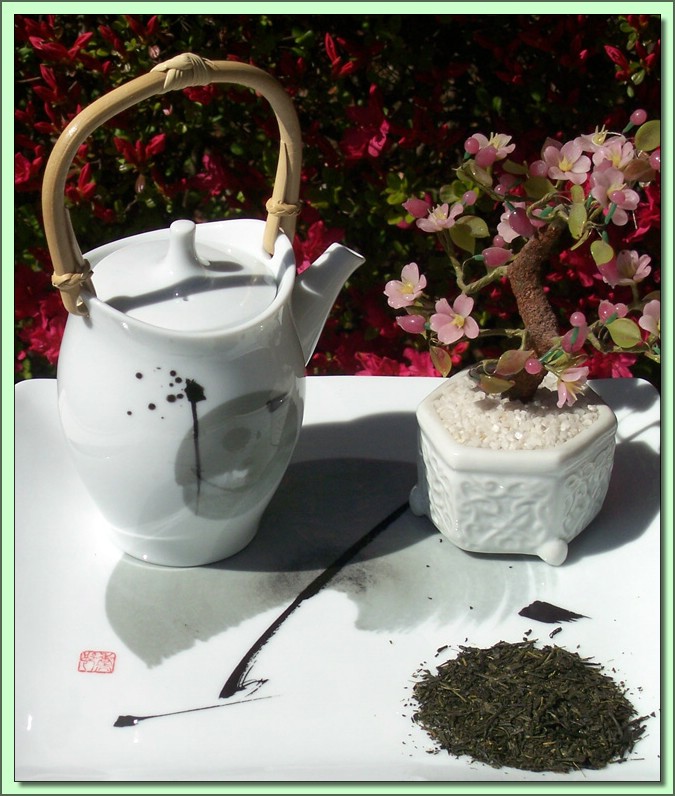
Our Sencha Ichiban Oishi is a rare sencha picked in limited quantities from two type of Kanaya Midori bushes and is said to have superior flavor, taste, color and aroma. An early-April, first crop sencha harvested from leaves in the Kagoshima & Shizuoka regions. Or try our organic sencha or decaf sencha.
|
(3 oz) -$19.99- BUY NOW |
Processing: Over three quarters of all tea produced in Japanese tea gardens is Sencha, a tea selected for its pleasant sharpness and fresh qualities complementing a leaf of high uniformity and rich emerald color. Historically prepared by roasting, today Sencha is steam treated before further processing with hot-air drying and finally pan-frying.
Regions: Most regions make a number of kinds of Sencha, which are named according to the kind of processing used. Needle leaf Sencha is processed in Shizuoka and in the Yame region of Fukuoka. In other areas, including Kyushu, the comma-shaped leaf form is processed.
Popularity: Sencha is the tea most likely to be offered in a Japanese household or restaurant. The higher grades of Sencha are available outside Japan from tea merchants like ours.
Health Info (unit=mg/100g):
|
Tanin: 13.0 Amino Acid: 24.0 Fiber: 10.6 Minerals: 5.4 |
Vitamin A: 7200iu C: 250 E: 65.4 |
Vitamin B1: 0.35 B2: 1.40 B3: 4.0 |
Tea: Sencha (premium) For: 3 persons
Amount of Tea Leaf: 6g (0.2 oz, light 1.5 tsp.)
Heat Water To: 70°C (158°F)
Water Amount: 170ml (5.7 fl.oz)
Brewing Time: 120 sec
Infuse Tea With Water At: 50 °C (122°F)
Amt. of Brewed Tea Cup: 50ml (1.7 fl.oz)
Whole Amt. of Brewed Tea: 150ml (5 fl.oz)
Amount of Tea Leaf: 10g (0.35 oz, light 3 tsp.)
Heat Water To: 60°C (140°F)
Water Amount: 60ml (2 fl.oz)
Brewing Time: 120 sec
Infuse Tea With Water At: 40 °C (104°F)
Amt. of Brewed Tea Cup: 130ml (4.4 fl.oz)
Whole Amt. of Brewed Tea: 390ml (13 fl.oz)
Step by Step Brewing Instructions:
Pour hot water into teacups (up to 8/10 per cup) and allow the water to cool. Put tea leaves into the pot. Pour hot water from the cups into the pot and allow the tea to steep. Pour the same amount of tea into each cup.
|
Brewing Iced Green Tea ('Rei-Cha') In the summertime unsweetened cold jasmine and green tea blends [particularly with natural flavor blends] can truly refreshes you.
|

Step by Step Brewing Instructions: